Diabetic Retinopathy Screening Made Accessible with AI-Powered Retinal Imaging
Enable efficient diabetic eye screening programs with handheld fundus cameras, AI-assisted detection, and integrated workflow management.
Contact usThe Growing Need for Diabetic Retinopathy Screening
The number of people with diabetes has been growing rapidly around the world and one third of them suffer from diabetic retinopathy, the most common cause of vision loss in working-age adults.
Diabetic retinopathy is treatable, if detected early. Despite the increasing importance of early detection, eye screening is still not reaching the people who need it most. Worldwide, millions remain undiagnosed for preventable or manageable eye conditions, simply due to lack of access.
There are several systemic barriers preventing widespread screening:
- Not enough eyecare specialists to conduct exams and read images
- Low screening attendance rates
- Need for scalable screening programs
In short, the current model leaves large parts of the population behind.
Make Diabetic Retinopathy Screening More Accessible
Early detection of diabetic retinopathy depends on patients having access to regular retinal screening. However, traditional screening pathways often require separate appointments at specialized eye care facilities, creating barriers that can lead to missed examinations and delayed diagnosis.
By bringing retinal imaging closer to the patient, healthcare providers can improve screening coverage, reduce barriers to participation, and support earlier detection of vision-threatening disease.
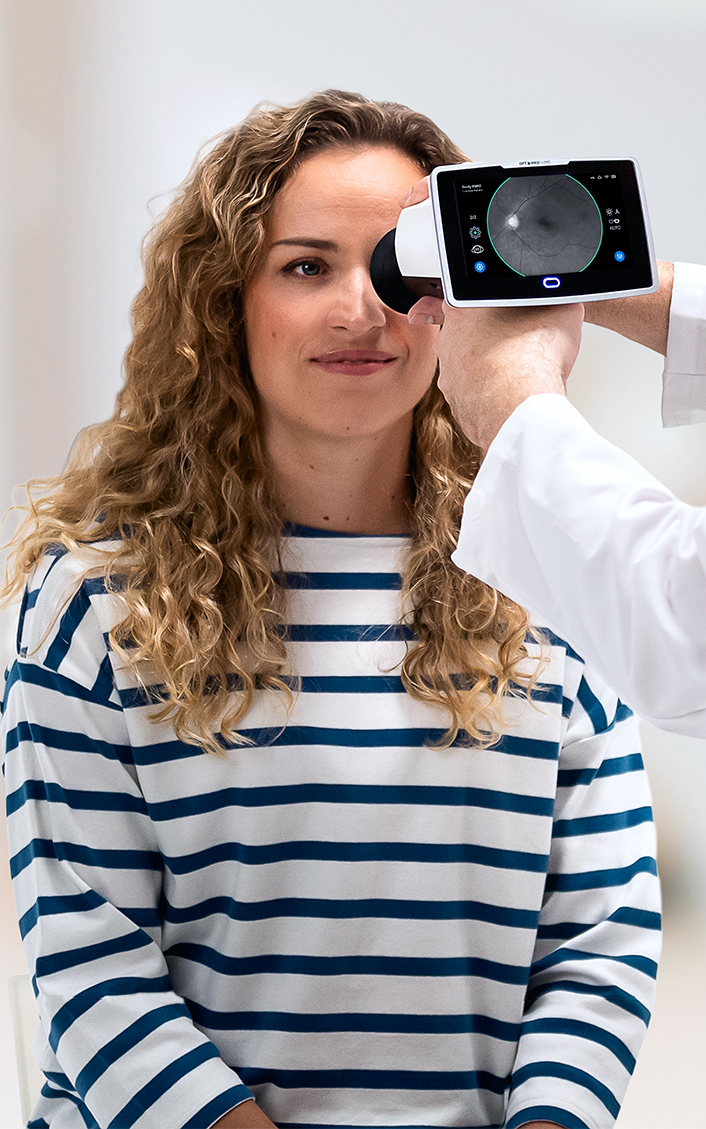
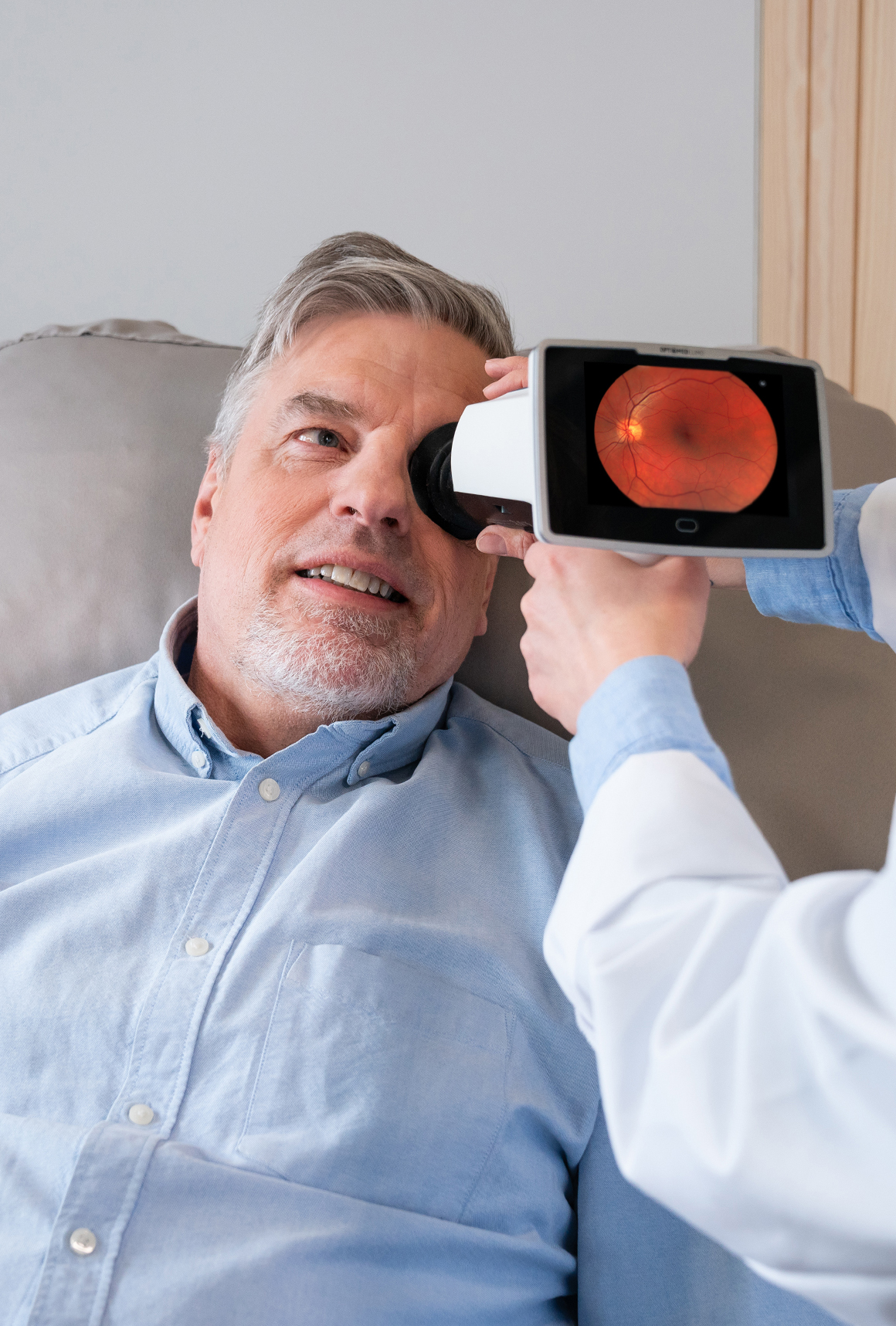
Handheld retinal imaging with AI detection enables screening at the point of care
Portable and easy-to-use handheld fundus cameras enable retinal imaging at the point of care,
allowing screening to take place where patients already receive care, including:
Diabetes
|
Primary care
|

Occupational
|
Mobile screening
|
AI-Powered Diabetic Retinopathy Detection
As the demand for diabetic retinopathy screening continues to grow, healthcare providers are looking for ways to increase screening capacity while maintaining high standards of care.
AI-assisted retinal screening can support image assessment, and help identify patients who may require further ophthalmic evaluation. In a clinical study*, Optomed’s handheld fundus camera with Aireen AI demonstrated 94.8% sensitivity, 91.4% specificity, and 92.7% diagnostic accuracy in detecting diabetic retinopathy.
Combined with portable retinal imaging, AI-powered screening can support efficient workflows across healthcare settings, from primary care clinics to large-scale screening programs.
*Huhtinen P, et al. 2025 Diabetes Technol Ther. doi:10.1177/15209156251369886
Portability without compromising image quality
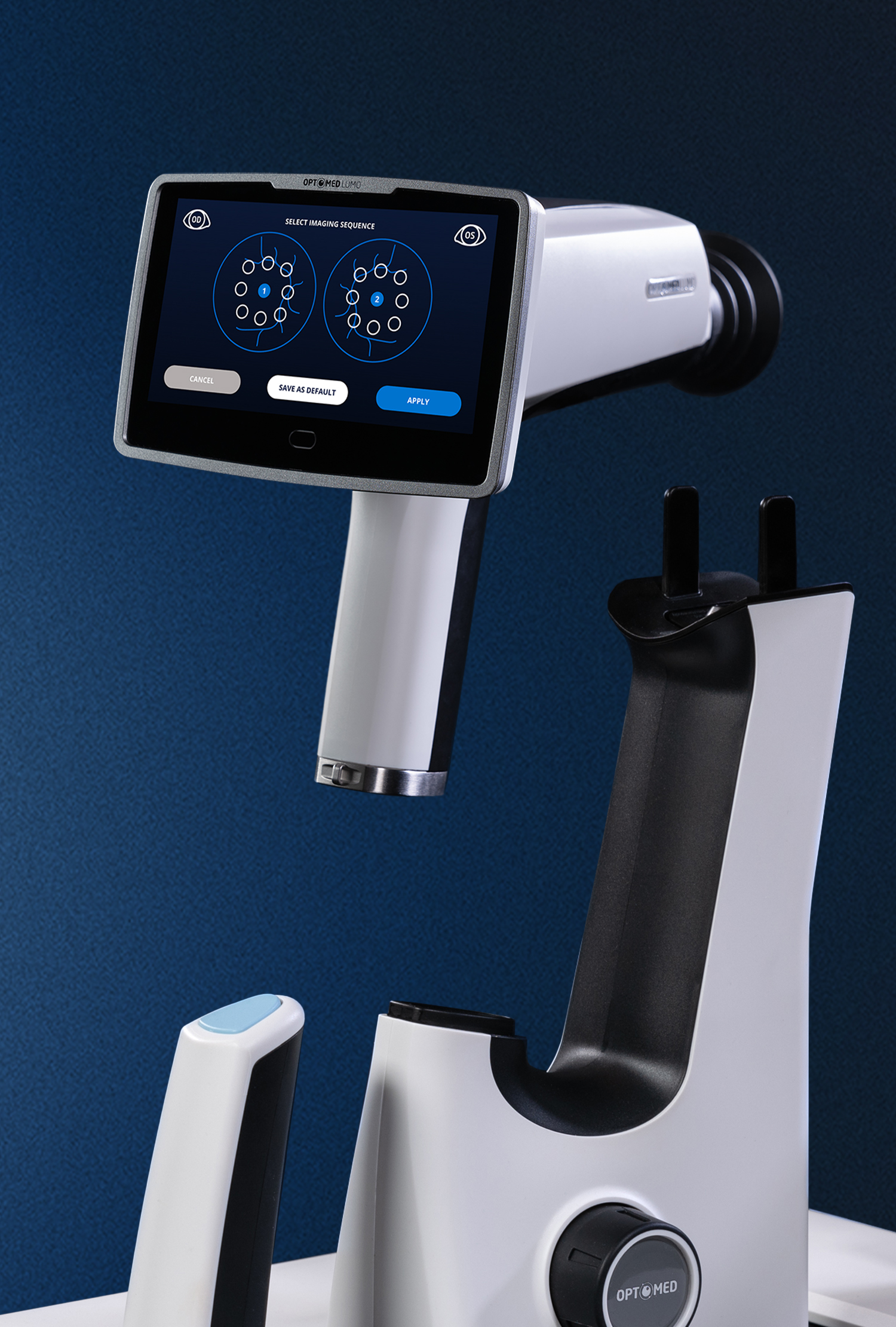
Our new flagship product, Optomed Lumo, enables fast and effective eye screenings for more patients. Imaging is made simple with intuitive user guidance, automated imaging functions, and a touch screen interface. Eye screenings with Optomed Lumo can be integrated into various workflows, and the device adapts to different healthcare environments in both handheld and desktop forms.
The handheld Optomed Aurora IQ enables high-quality retinal imaging for diabetic retinopathy (DR) screening providers. The Aurora AEYE is the first FDA-cleared handheld fundus camera for autonomous diabetic retinopathy detection in the United States.
Clinical studies show that Optomed’s handheld fundus cameras provide image quality comparable to conventional tabletop fundus cameras for diabetic retinopathy screening.
Automatization of large-scale screening processes
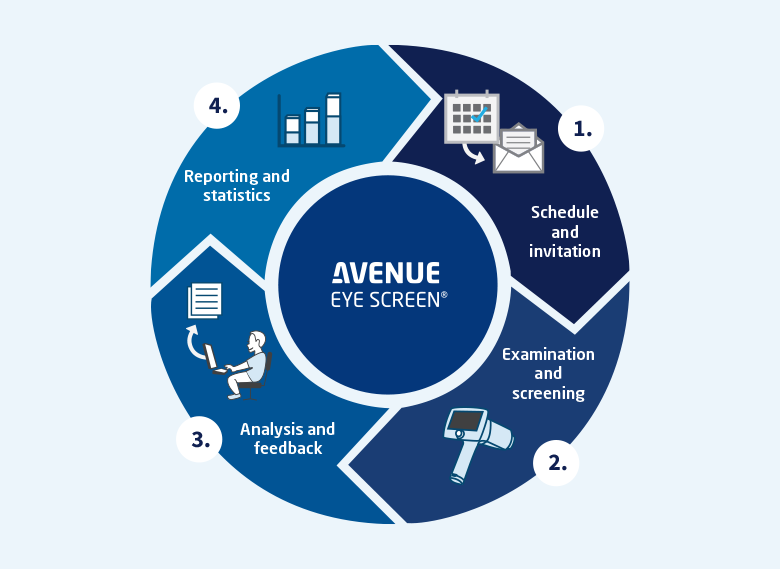
Avenue Eye Screen is a comprehensive workflow management system that automates the screening and follow-up of eye diseases, such as diabetic retinopathy, while ensuring seamless information flow across the entire screening process
Contact us