AI screening systems show great promise as a cost-effective way to improve diabetic retinopathy (DR) screening efficiency. To successfully implement AI into a DR screening program, numerous stakeholders are required, including primary care physicians, medical assistants, administrators, ophthalmologists, and patients. It is essential that leadership gets primary care physicians on board since they’re the ones who will be instituting the use of new AI systems, training their staff, and educating patients and ophthalmologists. However, adoption has been incremental but real, with several large health systems and primary-care networks having successfully implemented autonomous DR screening pilots or programs.
Technical Integration
Information technology integration can be a challenge, particularly for larger institutions. They should ensure that the information and output from the AI tool is seamlessly connected to the other routine operational aspects of health IT systems. Automated Retinal Image Analysis Systems (ARIAS) need consistent WLAN connectivity to secure cloud servers for image analysis. The reports from these services then need to be integrated into EHRs and referral workflows. Other IT integration challenges include transmitting images securely, receiving diagnostic results back into the electronic health record automatically, and triggering appropriate clinical workflows based on results. A task no different than adding any other new device into a complicated healthcare IT environment with strict security guidelines.
Workforce Considerations
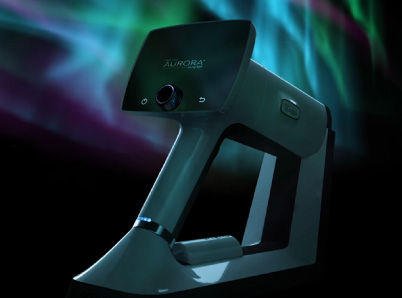
High turnover in the healthcare field can make it a challenge to keep trained technicians on staff. With the current labor market, there’s relatively high turnover among some medical support staff roles. But the best part about AI DR screening platforms like the Aurora AEYE is that they can be used by any medical assistant. Clinical trials also show an ungradable rate of less than 1%, suggesting a short learning curve. Best practice suggests that at least one non-doctor knows the system and is able to take high quality images and can support and teach others. Aurora AEYE offers robust training documentation and videos, virtual or on-site training, and consistent service and support.
Limitations and Scope Considerations
Oculomics is the future of healthcare, with a single fundus image able to screen for many diseases and risk factors. An AI model that has a binary classification like DR versus no DR, isn’t looking for other eye pathology and those diagnoses may be missed. Liability and legal questions such as who is responsible for missed disease other than DR, patient consent and communication, and how results are documented are still evolving. Robust referral pathways for positive screens are essential; otherwise, screening without reliable follow-up delivers limited benefit.
Ultimately, these ARIAS services are important because they can drastically reduce the diabetic eye screening care gap, not because they replace eye care specialists. Patients need an annual eye exam, but they are not getting them. Reducing the screening burden of eye care specialists to manage every single patient with diabetes, and able to focus only on those with referrable and potentially treatable disease for management. AI allows us to serve every patient, and then filter those patients to the ophthalmologists who really need those specialized skills. The demand for high-quality health care is infinite, but there’s only a limited amount of humans who can provide health care, so AI is the only solution to bridge this gap. AI DR screening services are not replacing specialists or providing lower quality of care.
Expanding Access
The fundamental problem these systems address is that far too many people are going blind from diabetes when we know exactly how to prevent it. Early diagnosis is key, especially since most patients who develop diabetic retinopathy are asymptomatic. However, too many people aren’t making that separate eye appointment for annual DR screening. By embedding screening into primary care and endocrinology practices, AI systems eliminate the separate eye appointment that serves as a major barrier. If a primary care physician or endocrinologist is seeing the patient for their regular diabetes appointment, an AI system allows them to do the DR screening at the same time. These autonomous AI systems are always meant to be where the eye specialist cannot be, but where the patient is.
The convenience factor proves particularly impactful, and the report at hand can increase health literacy. Having an immediate imaging interpretation gives patients critical information at the point of care, enhancing their likelihood to follow up with an in-person eye exam and achieve earlier diagnosis and treatment for this vision-threatening condition.
Reaching Underserved Populations
Federally Qualified Health Centers (FQHCs) represent ideal deployment sites for autonomous AI screening. These safety-net clinics serve populations with high diabetes prevalence but low screening rates. Especially those patients who are uninsured or underinsured, from racial and ethnic minority backgrounds, of lower socioeconomic status, and facing multiple barriers to accessing specialty care. They are people in the care gap.
Rural health clinics similarly benefit from AI screening capabilities. Places with limited access to ophthalmologists will benefit from AI systems for DR screening, especially rural regions. Patients living far away from an eye doctor or someone who can do diabetic retinopathy screening, are less likely to attend screening visits if they are not having any visual symptoms. But if those tested at their primary care doctor’s office and informed in seconds that they have retinopathy, are much more likely to get to that ophthalmologist. The advent of FDA-cleared portable handheld cameras represents another leap forward in accessibility. These smaller cameras can be transported between clinic rooms, deployed in mobile health units, or used in community settings.
Current Success
Pilot programs report dramatic increases in screening rates compared to traditional referral-based models. Quality improvement data from health systems show sustained increases in the percentage of diabetic patients receiving recommended annual screening. From an ophthalmology perspective, AI screening programs improve efficiency by ensuring that referred patients genuinely require specialist evaluation.
Early evidence from deployed AI screening programs demonstrates measurable impact on screening rates and patient outcomes in diverse settings. Pilot programs at FQHCs have demonstrated both feasibility and impact. One AAO-funded program using an AI system at Henrietta Johnson Medical Center, a federally qualified health center in Wilmington, Delaware, found a third of patients showed substantial or vision threatening diabetic eye changes. A multi-center value-based primary care organization in central North Carolina showed similar success with about one out of every three patients positive for referrable disease.
Patient satisfaction data indicate high acceptance, with the ability to receive screening without mydriatic dilation appealing to many patients who wish to avoid temporary vision impairment associated with dilated examinations.
A Vision for the Future
Looking ahead, there is a future where autonomous AI screening is widely available, not only at primary care offices but also at health clinics and pharmacies. This type of access to early screening could save money and eyesight significantly on the back end. Effective treatments for severe proliferative diabetic retinopathy exist, but that stage is mostly preventable with early screening.
The transformative potential of autonomous AI screening lies in its ability to bring diabetic retinopathy detection directly to settings where patients with diabetes receive their regular medical care. To scale this kind of technology in rural areas, implementing more portable cameras like the Aurora AEYE looks to be key. It includes a fully encrypted, HIPAA compliant, data secure solution that meets IT security requirements as well as HEDIS quality measures.
AI is transforming healthcare – here and now. Products like FDA-cleared Aurora AEYE are simplifying diabetic retinopathy screening. Its affordability, reliability, accuracy, and cost-effective outcome improvement are a significant advancement. Get yours today.
Share this insight