The human eye has long been recognized by physicians as revealing signs of systemic health conditions. The retina has gotten easier for health professionals to observe. From a difficult view with a direct ophthalmoscope to a high-quality digital photograph via a non-mydriatic fundus camera. Pathological processes affecting virtually all vital organs can manifest within the eye, from external structures to the inner retina. The retina is particularly valuable as it permits direct, real-time visualization of two critical yet largely inaccessible organ systems: the microvasculature and the nervous system.
Over the past decade, mounting evidence demonstrates that ocular structure and function mirror numerous systemic health conditions; particularly cardiovascular diseases, neurodegenerative disorders, and kidney impairments. Examination and analysis of fundus images may be used not just for qualitative findings, but also for quantitative findings of retinal vascular architecture such as vessel caliber and tortuosity. This convergence of insights has given rise to oculomics; a transformative field applying ophthalmic biomarkers to understand disease mechanisms, detect pathology, and predict future health risks.
The emergence of oculomics has been propelled by three synergistic advances:
- Widespread clinical adoption of high-resolution, non-invasive ophthalmic imaging technologies.
- Availability of large-scale studies enabling robust statistical interrogation of associations.
- Development of sophisticated analytical methods, particularly artificial intelligence.
Together, these developments position oculomics at the forefront of precision medicine, offering possibilities for earlier intervention and personalized risk stratification across multiple disease domains.
Reading Vascular Health Through Retinal Imaging
Cardiovascular disease remains the leading cause of mortality worldwide, creating urgent demand for accessible, non-invasive risk assessment tools. Oculomics leverages the relationship between retinal microvascular changes and systemic vascular health, offering a promising approach to cardiovascular disease assessment. Retinal imaging technologies, including fundus photography and optical coherence tomography (OCT) angiography, provide critical information for early diagnosis, with retinal vascular parameters such as vessel caliber, tortuosity, arterial narrowing, reduced microvascular density, venous dilation, and branching patterns identified as key biomarkers.
For routine clinical implementation, retinal fundus photographs offer distinct advantages: they are less expensive, more widespread, and less invasive than cardiac computed tomography (CT) scans while providing comparable performance (in one AI study) to CT scan-measured coronary artery calcium (CAC) in atherosclerotic CVD risk stratification. In another study, an AI model was able to predict the risk of myocardial infarction through fundus photos, indicating retinal imaging potential as a more accessible alternative to magnetic resonance imaging (MRI).
Detecting Brain Pathology Through Ocular Biomarkers
A range of ocular manifestations of Alzheimer’s disease, including corneal, retinal, and lens amyloid-beta accumulation, retinal nerve fiber layer loss, and retinal vascular changes, have been proposed as potential disease biomarkers. Early histological work demonstrated reductions in retinal nerve fiber layer thickness and retinal ganglion cell numbers in Alzheimer’s disease. The integration of machine learning models with ophthalmic imaging datasets enables further insights and prognostic predictions for neurodegenerative disease, including Alzheimer’s disease, Parkinson’s disease, amyotrophic lateral sclerosis (ALS), and Huntington’s disease. These technologies offer opportunities to detect and monitor systemic diseases at higher acuity, potentially allowing for timely intervention and a higher quality of life.
Retinal Imaging Reveals Kidney and Metabolic Health
Growing evidence demonstrates that the eye’s structure and function mirror kidney impairments and metabolic disorders as well. Current chronic kidney disease screening methods are invasive and often miss early-stage disease. Studies using retinal images have explored the potential to assess kidney function and renal impairment. Other cross-sectional studies have highlighted the associations between thinner retinal nerve fiber layer or choroid were associated with worse renal function or microvascular disfunction. Using external eye photographs to predict elevated levels of thyroid stimulating hormone levels is underway with moderate early success.
Diabetes is commonly diagnosed by testing the HbA1c level. The HbA1c test measures the percentage of glycated hemoglobin (Hemoglobin A1c, HbA1c) in the blood to estimate the average blood sugar level over the past 2–3 months. HbA1C has improved diagnosing and treating diabetes as most patients are not diligent in reporting their daily blood sugar to their PCPs. However, HbA1c is not without drawbacks as it is inaccurate in certain situations like recent blood transfusion, sickle cell anemia, pregnancy, etc. One oculomics model was able to identify HbA1c levels that have been historically measured through invasive blood draws.
Hardware, Big Data, and Software
Rapid advances in retinal imaging technology have improved image resolution and accessibility. These innovations have enabled exploration of ocular structure with ease and speed at scale. High-resolution, non-invasive eye imaging tools including fundus photography, optical coherence tomography, and OCT angiography capture incredible detail of eye structures down to the cellular level.
Large-scale health datasets that include color fundus photos create opportunities to discover connections between eye features and systemic diseases. Existing databases including the Atherosclerosis Risk in Communities (ARIC), Multi-ethnic Study of Atherosclerosis (MESA), Cardiovascular Health Study (CHS), and the Beaver Dam Eye Study, have been leveraged for oculomics research. Collecting eye images alongside comprehensive health information is relatively straightforward to gather inside major population studies. Publicly available oculomics datasets are increasingly being utilized by researchers, epidemiologists, and computer scientists to drive research advancements.
Furthermore, to advance the understanding of oculomics features and their relationship with systemic physiological and pathological changes, larger-scale studies with extended follow-up periods are essential. Such studies would not only provide valuable insights into the associations between oculomics markers and systemic conditions but could also uncover the underlying mechanisms driving these relationships. This knowledge is crucial for translating oculomics research into clinically actionable tools that can improve patient outcomes.
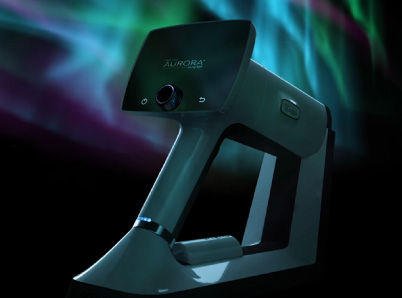
These advances have been further accelerated by developments in AI. Machine learning and deep learning demonstrate tremendous potential for automatic analysis and quantification of retinal vascular biomarkers to predict risk factors and systemic events. The National Institutes of Health has funded a project called AI Ready and Equitable Atlas for Diabetes Insights (AI-READI), which aims to construct a dataset using demographic data as well as color fundus images from cameras such as the Optomed Aurora IQ.
Clinical Implementation
AI has demonstrated value in the eye diseases management by enhancing diagnostic accuracy, enabling early disease detection, prediction of disease progression, and streamlining patient management. With continued optimization of AI models and automatic post-processing technology, various vascular metrics and clinical conclusions can be obtained autonomously without ophthalmology personnel actively needed for post-processing and analysis. As AI techniques evolve and a singular pathway from imaging to something like cardiovascular risk assessment becomes complete, retinal imaging could become a clinical mainstay in cardiology and primary care clinics due to its inexpensive, non-invasive clinical utility. Advanced models can now predict multiple conditions from single imaging modalities, demonstrating the versatility of retinal imaging as a multi-purpose diagnostic tool.
The accessibility and non-invasive nature of ocular imaging positions oculomics as particularly valuable for screening programs in resource-limited settings. AI-based retinal biomarkers could provide cost-effective strategies for academic research and daily clinical routine in general practitioner settings, with potential to expand cardiovascular disease assessment to general health screening programs outside traditional clinical practice.
Given previous research evidence on the capability of retinal imaging and AI in detecting or predicting demographic factors, systemic biomarkers and systemic diseases, oculomics is positioned to be a valuable clinical tool that extends beyond eye care professionals. It enables broader usage across various healthcare sectors, such as general practitioners (GPs), cardiologists, neurologists and other specialists to assess not only ocular health but also systemic conditions, driving the multidisciplinary approach to improving patient care.
The Road Ahead
Oculomics represents more than incremental improvement in diagnostics. It embodies a fundamental reconceptualization of how we approach screening, risk stratification, and early intervention for systemic diseases. The field enhances our understanding of the interplay between the eye and the body while supporting the development of innovative diagnostic, prognostic, and therapeutic tools. By transforming the eye from a passive indicator of disease into an active diagnostic platform, oculomics enables earlier, more personalized, and more accessible healthcare. Color fundus photography can be used to capture both qualitative (e.g., retinopathy) and quantitative (e.g., caliber, tortuosity) retinal vascular features and serves as the input for image analysis computer software. In viewing the eye not merely as an organ of sight but as a comprehensive window into systemic health, we open new horizons for medical diagnostics and personalized medicine one picture at a time.
Federal investment in oculomics research, including substantial awards from the National Institutes of Health, recognizes the eye as part of the brain and its role as a window into cognitive, vascular, and visual health.
One of the most promising future opportunities in oculomics is the enhanced accessibility of cost-effective retinal imaging devices. Portable fundus cameras can be deployed in mobile health care applications, broadening access to retinal assessments and screening opportunities.
Explore Optomed’s full line of retinal cameras like the Optomed Aurora IQ, AI integrated Aurora AEYE, automated tabletop Optomed Polaris, and newest product the Optomed Lumo, designed for capturing high-quality retinal images.
The promise extends beyond individual patient care to population health management. As screening becomes more accessible, cost-effective, and integrated with routine care, earlier detection becomes possible at scale. For conditions where intervention in pre-symptomatic stages offers greatest benefit (particularly neurodegenerative diseases and cardiovascular conditions) this shift in timing could profoundly impact disease trajectories and healthcare resource utilization.
Share this insight