Diabetic retinopathy (DR) stands as the leading cause of blindness among working-age adults in the United States, affecting approximately 9.6 million Americans. Treatments for DR can reduce severe vision loss by up to 94% when detected early through regular screening.
Yet despite the proven efficacy of screening and the availability of effective treatments, a gap persists between recommended care and actual practice. An estimated 50% or more of patients with diabetes fail to receive necessary annual screening. This screening deficit is a statistical failure of our healthcare system. More importantly for our outcomes, it creates a cascade of preventable blindness, particularly affecting underserved and minority populations who bear a disproportionate burden of both diabetes and its complications.
Autonomous artificial intelligence systems for diabetic retinopathy screening were created to close this care gap. Using the principles of oculomics, Automated Retinal Image Analysis System (ARIAS) are built to find early changes to blood vessels and the circulatory system in the most non-invasive way possible; through a single retinal image. These FDA-cleared technologies promise to expand access, improve efficiency, and ultimately prevent vision loss by bringing screening directly to patients where they receive their primary care.
The Screening Crisis: Understanding Barriers to Care
The challenge of inadequate DR screening is multifaceted, shaped by patient-level, provider-level, and systemic barriers that collectively prevent millions of patients with diabetes from receiving sight-saving care. Transportation challenges, financial constraints, competing medical appointments, work and childcare responsibilities, and insurance limitations all contribute to missed screening visits. Many patients report having too many medical appointments to manage, inability to afford healthcare costs, and absence of perceived vision problems as reasons for skipping eye examinations.
If a patient lacks knowledge about chronic diseases, they are less likely to participate in health screenings. This disconnect between awareness and understanding creates dangerous complacency, particularly since advanced diabetic retinopathy can develop without patients experiencing any visual symptoms until irreversible damage has occurred.
Geographic disparities compound these challenges. Rural populations face particular difficulty accessing ophthalmologists, with some patients living hours from the nearest eye care specialist. Even when access exists, the requirement for a separate appointment specifically for eye screening creates an additional hurdle that many patients cannot overcome. The fragmentation of care poses another significant obstacle. Patients must navigate referrals from primary care physicians to ophthalmologists, coordinate scheduling across multiple providers, and often travel to different locations for diabetes management and eye care. Each additional step represents a potential point of failure where patients may be lost to follow-up. Delayed referrals from primary care physicians further compound the problem, with many patients never completing the referral process. A convenient location was identified to be the most important factor which influenced non-participation in community-based health screenings. What is more convenient than getting screened at an appointment with a primary care physician that the patient is already physically at?
The AI Solution
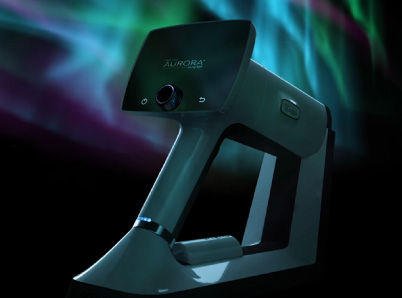
The emergence of autonomous AI systems for diabetic retinopathy screening represents a paradigm shift in preventive eye care. Unlike AI-assisted tools that provide suggestions to clinicians who make final decisions, autonomous systems are authorized to make independent diagnostic determinations without human oversight. Products like Aurora AEYE are full stack clinical service solutions, powered by AI.
AEYE-DS (AEYE Health), received FDA clearance for use with the Optomed Aurora portable handheld camera. Aurora AEYE operates through a streamlined workflow to efficiently meet MIPS quality measure for diabetic eye examinations. A single digital fundus photograph is captured per eye using a non-mydriatic camera, uploaded to cloud-based software platform, and analyzed through FDA cleared deep learning algorithms. Within a minute, the system generates an automated assessment indicating whether more-than-mild diabetic retinopathy is present, determining whether the patient requires referral to an ophthalmologist or can safely wait for rescreening in one year.
Diagnostic Accuracy
The sensitivity and specificity achieved by FDA-approved systems rival those of human graders in detecting referable diabetic retinopathy. Clinical trials demonstrated 92% sensitivity and 93.6% specificity with the Aurora AEYE. These metrics translate into reliable identification of those patients with diabetes who require eyecare specialist evaluation and management while appropriately clearing those without significant disease. The high accuracy rates provide confidence that clinically significant disease will be detected. The system demonstrates robust performance with ungradable rates typically below 1%, representing a significant advantage over traditional screening programs where poor image quality can affect 10-30% of cases.
Operational Efficiency
Beyond diagnostic accuracy, autonomous AI systems deliver substantial operational benefits. Research comparing clinic days with and without AI diagnosis found that AI led to 40% higher productivity, as measured by completed patient encounters per hour per specialist. This efficiency gain stems from eliminating the bottleneck of manual image review, allowing immediate diagnosis at the point of care rather than delayed interpretation.
The speed of diagnosis proves particularly meaningful for patients and providers. Within seconds, patients have a diagnosis regarding whether they have retinopathy or learn that they don’t. That immediacy is very meaningful to patients and helps motivate them to follow up with an ophthalmologist when referral is indicated. The instant information also helps physicians conducting screenings know which cases are most serious and require prioritization.
Training requirements are minimal. Any nonmedical personnel could be trained to use the device. This democratization of screening capability allows primary care practices, endocrinology clinics, and community health centers to offer comprehensive diabetic care including eye screening without requiring ophthalmology expertise on staff.
Cost-Effectiveness and Reimbursement
Economic viability supports widespread adoption. Autonomous AI examinations are reimbursable under CPT code 92229, established in 2020 by the American Medical Association. The national average Medicare payment was $43.67 in 2025, with many commercial payers following Medicare’s lead in offering reimbursement. Broadly speaking, there is good buy-in from payers, with CMS and commercial payers providing national coverage.
The cost-effectiveness stems from multiple sources: reduced unnecessary referrals, improved adherence to follow-up among patients with vision-threatening disease, prevention of severe vision loss and associated costs, and more efficient use of ophthalmology specialist time focused on patients requiring expertise.
Technology in Service of Prevention
Diabetic retinopathy is a leading cause of blindness that is largely preventable with existing screening and treatment modalities, yet continues to blind thousands annually due to failures in care delivery rather than limitations in medical knowledge or technology.
Autonomous AI systems for diabetic retinopathy screening offer a path to meet this challenge. By bringing accurate, efficient screening directly to patients where they receive their primary care, these technologies can dramatically increase screening rates, identify disease earlier when interventions are most effective, reduce racial and socioeconomic disparities in access to eye care, prevent unnecessary vision loss and its profound impact on quality of life, and allow more efficient use of limited ophthalmology resources.
The evidence supporting these systems is compelling with validated diagnostic accuracy comparable to human graders, operational efficiency gains of 40% or more, successful implementation in diverse clinical settings from academic medical centers to community health centers, high patient satisfaction and acceptance, and reimbursement structures supporting financial sustainability.
AI is transforming healthcare – here and now. Products like FDA-cleared Aurora AEYE are simplifying diabetic retinopathy screening. Fast, accurate, tireless, and efficient. Join the revolution today.
Share this insight